What We Do

Services

Every service we offer, from a new build to a railing repair.

Home › Services

Everything we take on

Every job below is one we do ourselves across Moreno Valley.

Deck Installation

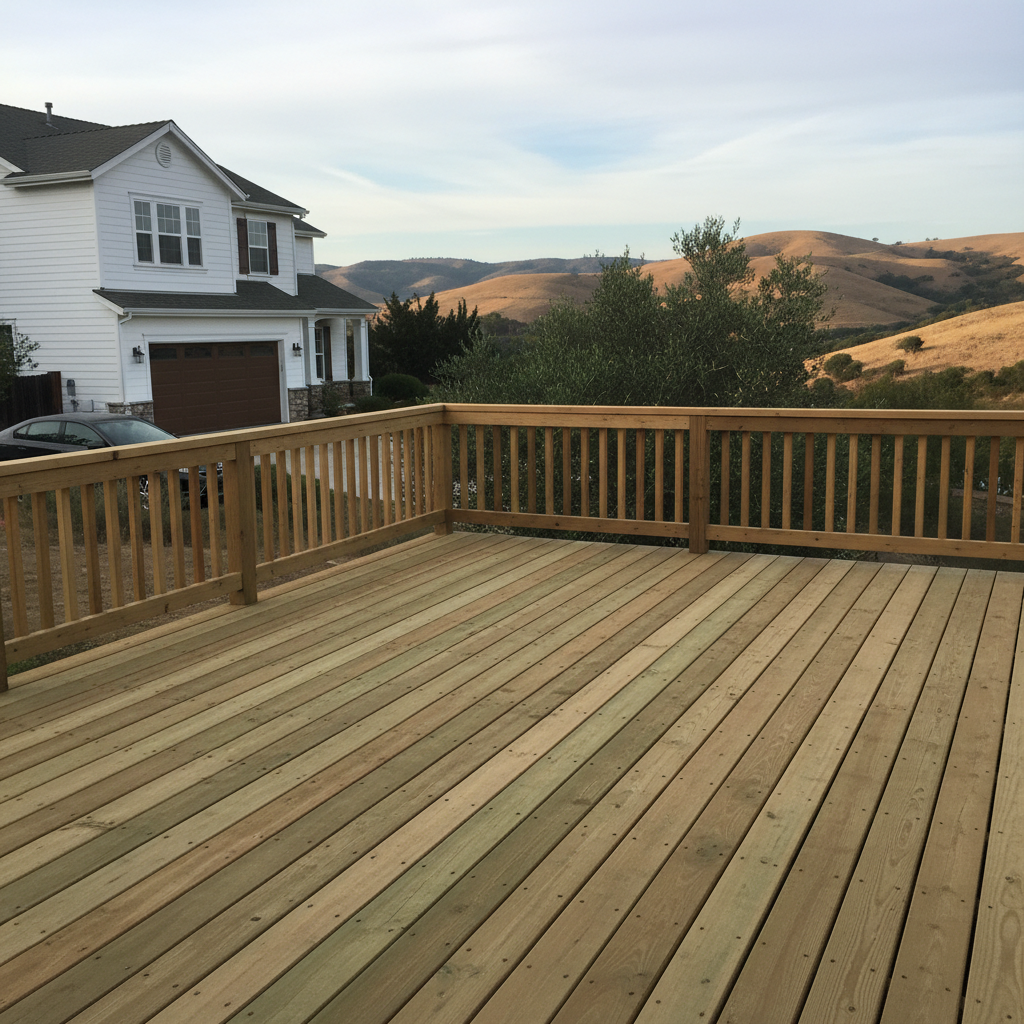
We build decks from the footings up, sized and framed to carry the load you'll actually put on them, furniture, a grill, a hot tub if that's the plan. Footings go below grade and get set in concrete, not just set on a paver, and joist spacing is set to the span tables for your decking material, not the minimum the inspector will allow.

Deck Repair

Soft spots, bouncy boards and loose railings usually mean something underneath has failed, not just the board you're standing on. We pull the decking back far enough to find the actual problem, whether that's a cracked joist, a rusted hanger or a ledger bolt that's worked loose, and fix that before anything new goes down.

Deck Staining & Sealing

Sun bleaches and dries out deck boards faster here than most places, and an unsealed deck can start checking and splintering within a couple of summers. We pressure wash first, let the wood dry fully, then stain with a product rated for UV, not just a clear coat that'll peel in a year.

Custom Deck Design

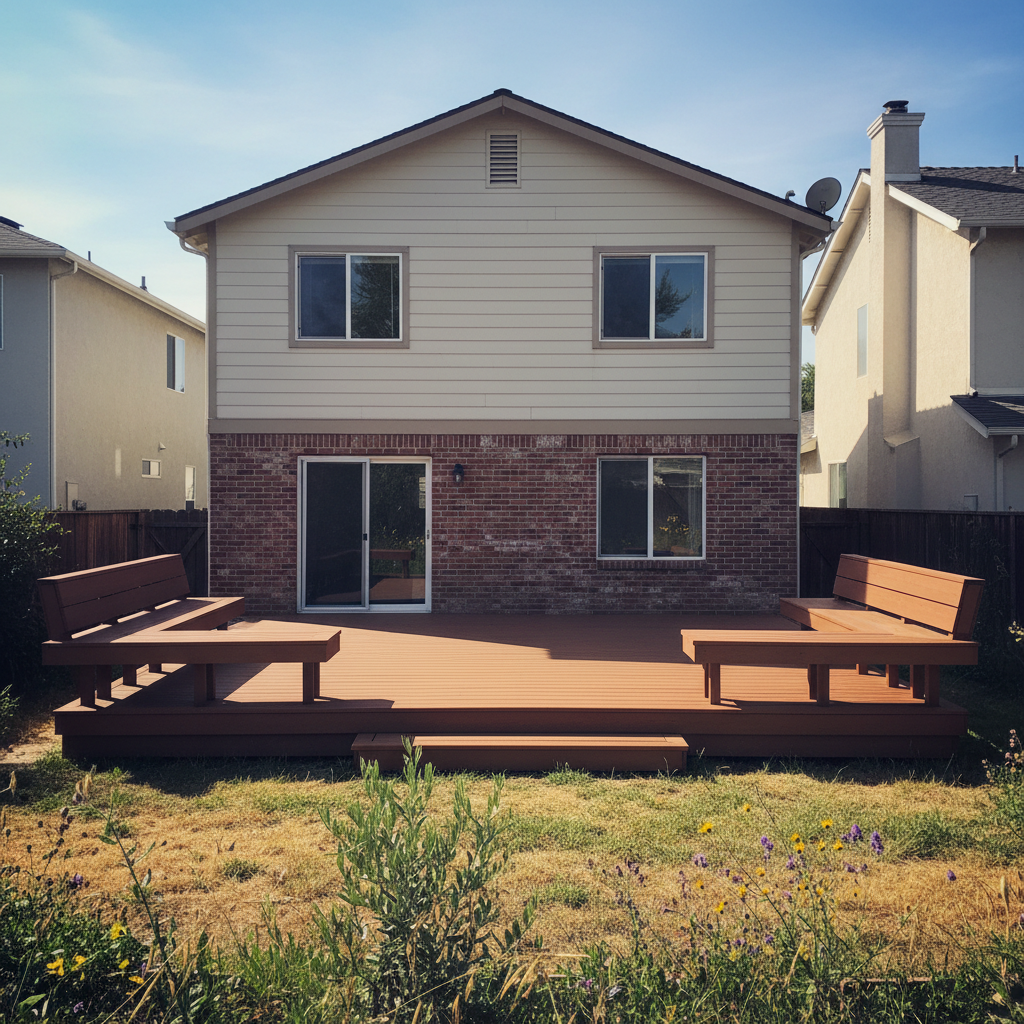
Multi-level decks, built-in benches, a layout that works around an existing tree or slope, we draw it out before we cut anything. You see the footprint and railing style on paper first, so there's no surprise once the lumber shows up.

Composite Decking Installation

Composite boards don't require yearly staining and hold up better against the sun than untreated wood, which matters a lot out here. It costs more per board than pressure-treated lumber, so we'll walk you through the real payback instead of just upselling it.

Deck Railing Repair & Installation

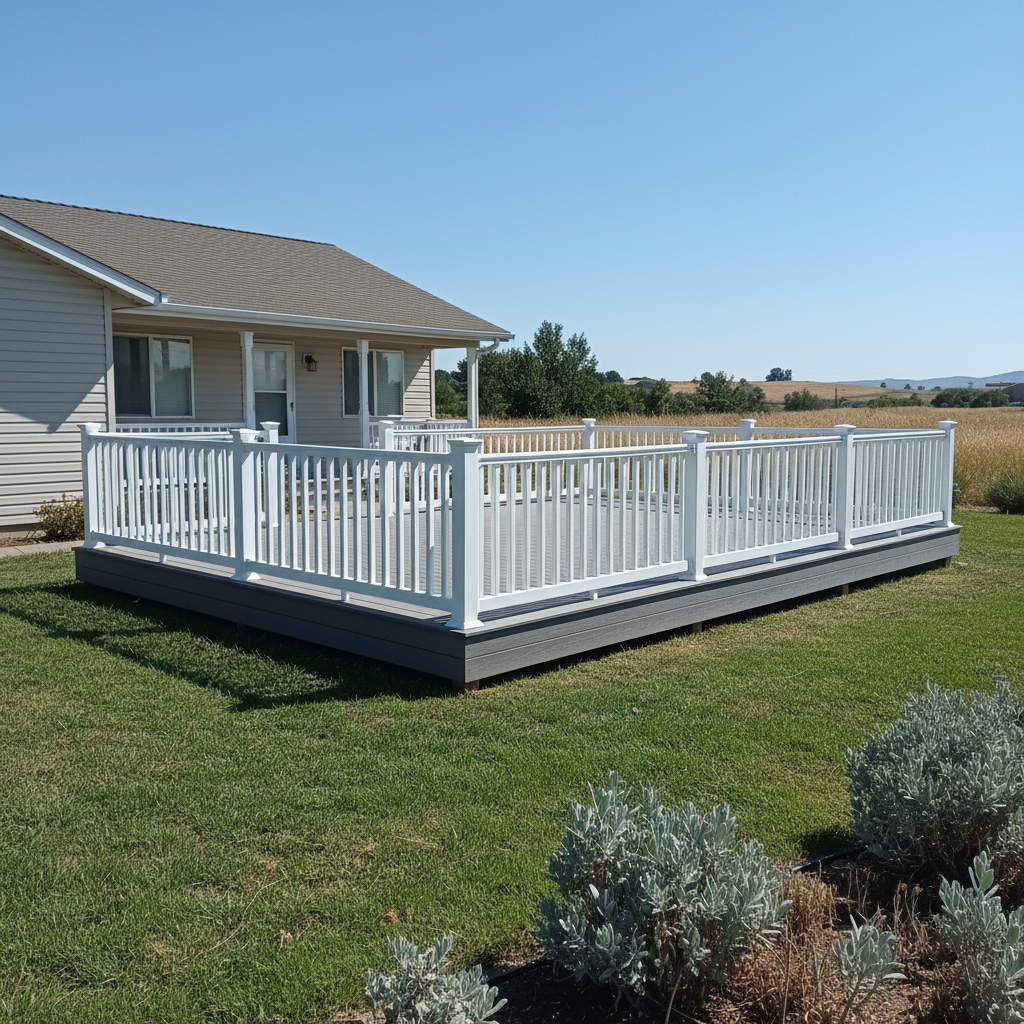
A railing that wobbles when someone leans on it is usually a post that's not through-bolted to the frame, not a railing problem at all. We rebuild the post connection to the joists first, then set baluster spacing to the 4-inch code gap before the rail caps go on.

Deck Resurfacing

If the frame underneath is still solid but the boards are cupped, splintered or just outdated, we can pull the decking and replace it without touching the structure. This is usually faster and cheaper than a full rebuild, as long as the joists pass inspection.

Deck Framing & Structural Repair

Split joists, rotted rim boards, a ledger that's pulling away from the house, this is the work most people never see and the reason a deck fails before it should. We replace hardware with corrosion-resistant fasteners, since standard screws rust out faster in lumber treated with modern preservatives.

Deck Demolition & Removal

Old deck coming down before the new one goes up, or just coming down. We pull the fasteners out of the ledger carefully so we don't tear the siding or flashing behind it, and haul off every board.

Pergolas & Deck Covers

A deck that gets full sun from noon on doesn't get used much in July. A pergola or a shade cover over part of the deck buys you usable hours in the afternoon without screening in the whole thing.

How It Works

Four steps, and no surprises in any of them.

01

We come and look

You tell us what you want doing, we look at what is actually there, and we ask the awkward questions early.

02

You get a price

In writing, itemised, free. If something might add cost later we flag it now rather than at the end.

03

We do the work

Same crew throughout. We cover your floors, keep the dust down and tidy up before we leave each day.

04

We walk it with you

You point out anything you are not happy with and we fix it before the invoice, not after.

Where We Work

All of this, across Moreno Valley, CA

Deck crews available across these Inland Empire cities.

Moreno Valley, CA
Riverside, CA
San Bernardino, CA
Fontana, CA
Corona, CA
Rialto, CA
Menifee, CA
Hemet, CA
Perris, CA
Redlands, CA
Yucaipa, CA
Beaumont, CA
Common Questions

Things worth asking

What to expect once a deck project gets underway.

Do I need a permit to build a deck?
Most California jurisdictions require a permit for any deck more than 30 inches above grade, and some require one regardless of height if it's attached to the house. The permit process checks footing depth, ledger attachment and railing height against local building code before and after construction.
How long does a deck project take to build?
A standard single-level deck usually takes one to two weeks from footings to final board, depending on size and whether a permit inspection schedule adds delay. Multi-level decks, built-in seating or difficult access can push that timeline longer.
Can you work within a set budget?
Decking material and railing style are the two biggest levers for keeping a deck project within a target budget, since pressure-treated lumber costs a fraction of composite per square foot. A good contractor lays out two or three material options at different price points before you commit.
Do you guarantee your deck work?
Workmanship on framing and construction should be backed by a warranty period from the contractor, separate from the manufacturer's warranty on composite decking or hardware. Ask what's covered and for how long before signing a contract, since warranty terms vary a lot between contractors.
Who will I actually deal with during the project?
A single point of contact, usually the lead carpenter or project manager on site, should handle day-to-day questions during a deck build rather than leaving a homeowner to track down different crew members. That person should also walk the finished job with you at the end.
What decking materials do you work with?
Pressure-treated pine, cedar, and composite decking from brands like Trex and TimberTech cover most deck builds, each with different cost, maintenance and lifespan tradeoffs. Pressure-treated lumber costs the least upfront but requires restaining every year or two, while composite costs more but requires almost no maintenance.
Can I still use my yard while the deck is being built?
Partial yard access usually continues during a deck build, though the immediate work area stays off-limits for safety, especially during footing excavation and framing. Full access returns once the structure is complete and the site is cleared of tools and debris.
How should I prepare the site before work starts?
Clearing furniture, planters and anything stored under or near the existing deck makes it easier for a crew to access footings and framing without delay. If there's an irrigation line or buried utility near the planned footing locations, flagging it ahead of time saves time on the first day.
What if you find rot or damage once the old deck comes down?
Hidden rot in a ledger board or rim joist is common once old decking comes up, especially where flashing was missing or installed wrong the first time. That gets priced as a change order before the work continues, with photos showing what was found so the cost makes sense.
How do I maintain a deck after it's built?
Pressure-treated and cedar decks require restaining every one to two years depending on sun exposure, with a wash and inspection for loose fasteners each spring. Composite decking just requires periodic washing, but railing posts and stair connections on any deck should get checked yearly regardless of material.

Not sure what you need?

Describe the problem and we will tell you what it probably is. No obligation.

Call (909) 487-1359